A bioactive terrarium is a small, living ecosystem that looks after much of its own upkeep. Once it settles in, the plants, soil and tiny cleanup crew work together in a slow, quiet balance you get to watch through the glass.
What “bioactive” actually means
The word simply means “containing life,” and in a terrarium it points to more than just plants. A bioactive setup includes a small population of beneficial microbes and tiny invertebrates living in the substrate, doing the same work they do on a real forest floor.
In an ordinary planted jar, fallen leaves and plant debris sit and rot, which can lead to mould and sour soil. In a bioactive one, that debris becomes food. The result is a container that stays fresher for longer and needs far less hands-on maintenance from you.
A bioactive terrarium is not a decoration that happens to be alive. It is a habitat, built to run on its own rhythms rather than on a watering schedule.
How a bioactive terrarium works
The magic is really just a nutrient cycle, scaled down to fit on a shelf. Three parts do the heavy lifting: the layers that manage water, the cleanup crew that processes waste, and the plants that hold it all together.
The layers
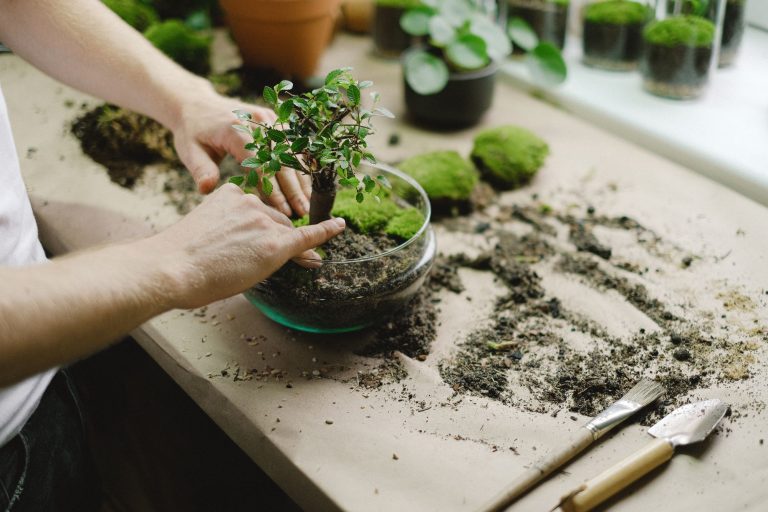
A bioactive terrarium is built in horizontal layers, each with a job. From the bottom up, a typical build looks like this:
- Drainage layer: lightweight clay pebbles or lava rock, giving excess water somewhere to collect below the roots.
- Mesh divider: a thin barrier that keeps soil from washing down into the drainage.
- Substrate: a moisture-retaining mix, usually based on coco coir and fine bark, where roots and microbes live.
- Leaf litter and hardscape: dried leaves, cork bark and wood that feed the cleanup crew and give the landscape its character.
This structure keeps roots from sitting in standing water, which is one of the most common causes of rot in a sealed container.
The cleanup crew
The living engine of a bioactive terrarium is its cleanup crew: springtails and small isopods. Springtails are pinhead-sized and graze on mould and fungi, keeping the surface clean. Isopods are slower and larger, and they break down leaf litter and plant waste into nutrients the plants can use.
Together they close the loop. Waste is eaten, nutrients return to the soil, and the mould that would otherwise take hold in a humid box is kept in check. We go deeper into these creatures in our guide to springtails and isopods as your terrarium cleanup crew.
The plants
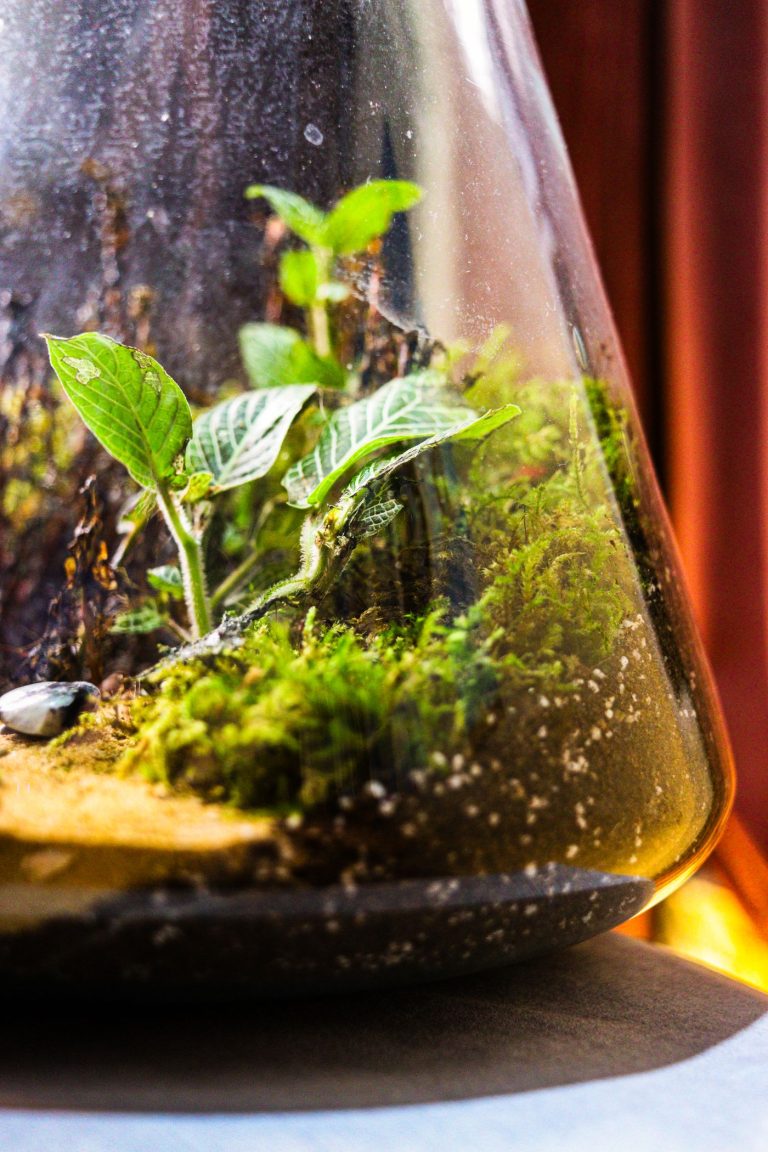
Plants complete the cycle by taking up those nutrients and, in a closed setup, recycling moisture through the air. Slow-growing, humidity-loving species suit bioactive terrariums best, since they thrive in the same damp, stable conditions the cleanup crew needs.
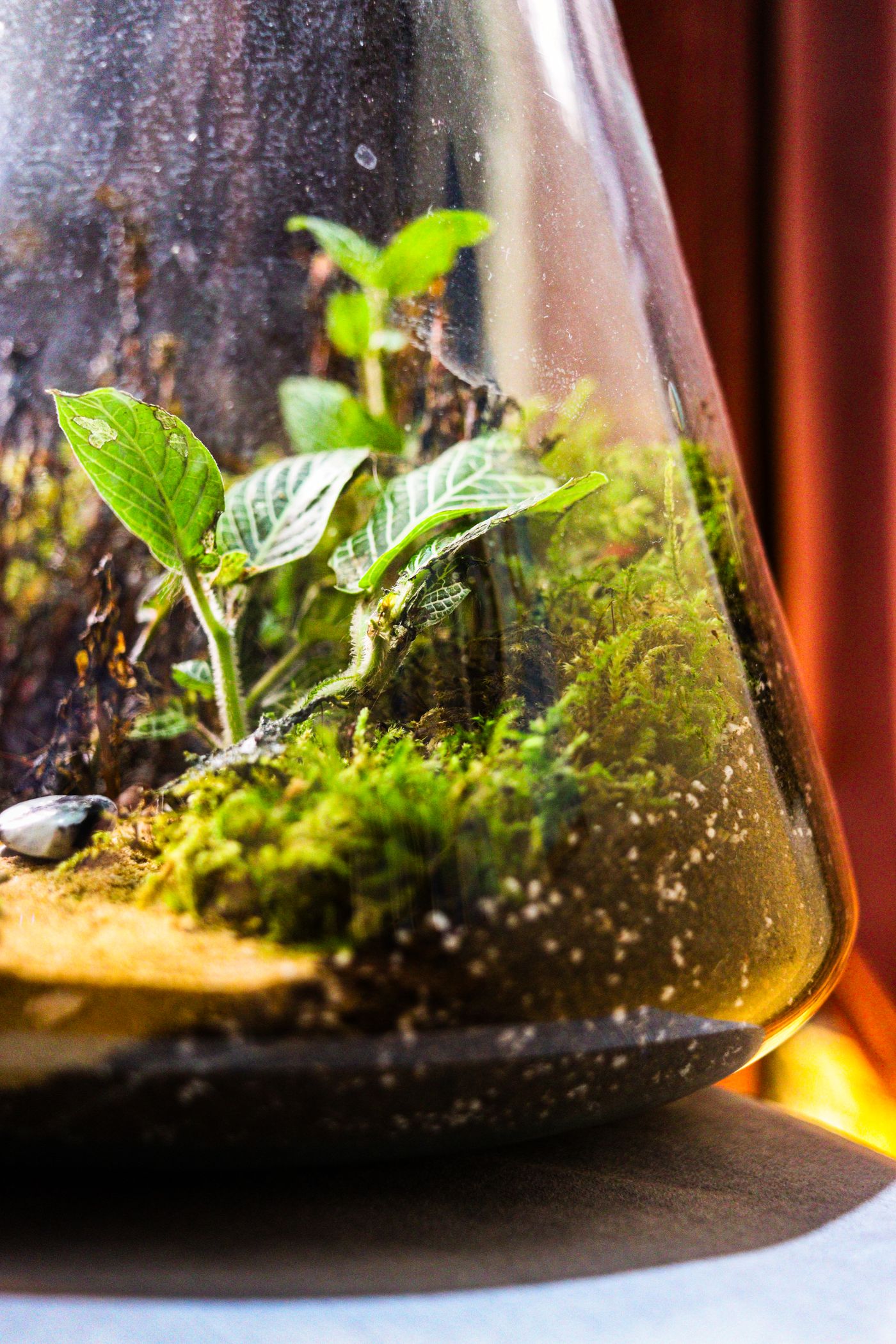
Good starting choices include mosses, ferns, fittonia, and small tropical foliage plants. These stay compact and enjoy the steady humidity, so the display holds its shape for months without heavy pruning.
Bioactive versus a standard terrarium
Any terrarium is a container garden. What makes one bioactive is the deliberate addition of that living cleanup crew and the layered soil that supports it. The practical differences show up over time.
- Maintenance: a standard terrarium relies on you to spot and remove mould and debris. A bioactive one handles most of that itself.
- Stability: the nutrient cycle keeps the soil healthy, so plants are less likely to stall or yellow.
- Longevity: a well-balanced bioactive setup can run happily for years, slowly maturing rather than declining.
The trade is a little more planning at the start. You build in layers and give the crew time to establish, and in return you get a system that mostly runs itself.
What you need to start
You do not need much, and you certainly do not need everything at once. A workable first bioactive terrarium comes down to a few essentials:
- A clear glass container, ideally one with a lid to hold humidity.
- Drainage material, a mesh divider and a quality substrate mix.
- Leaf litter and a piece or two of hardscape for structure.
- Beginner-friendly plants suited to humid conditions.
- A starter culture of springtails, and isopods if you have room for them.
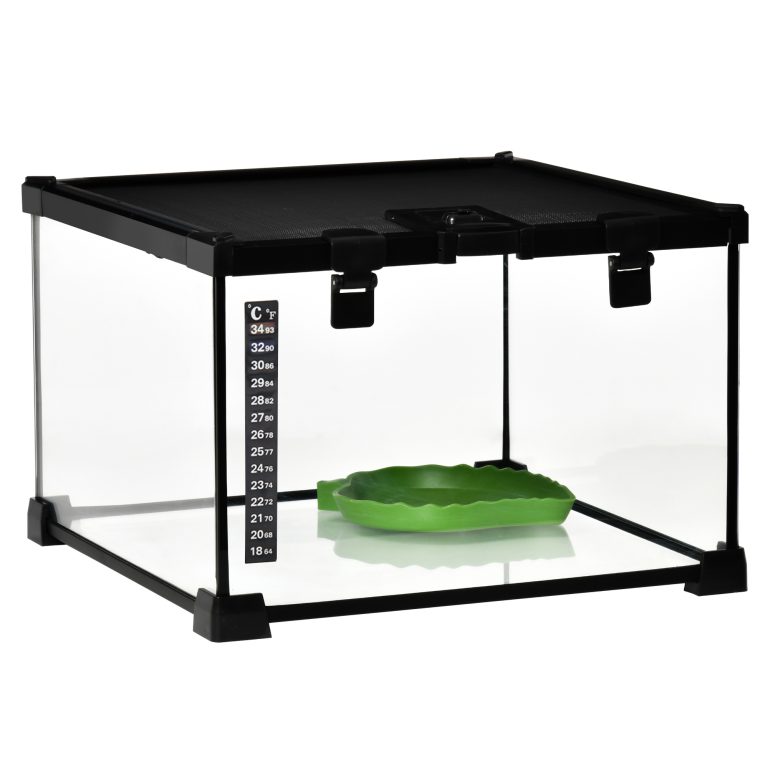
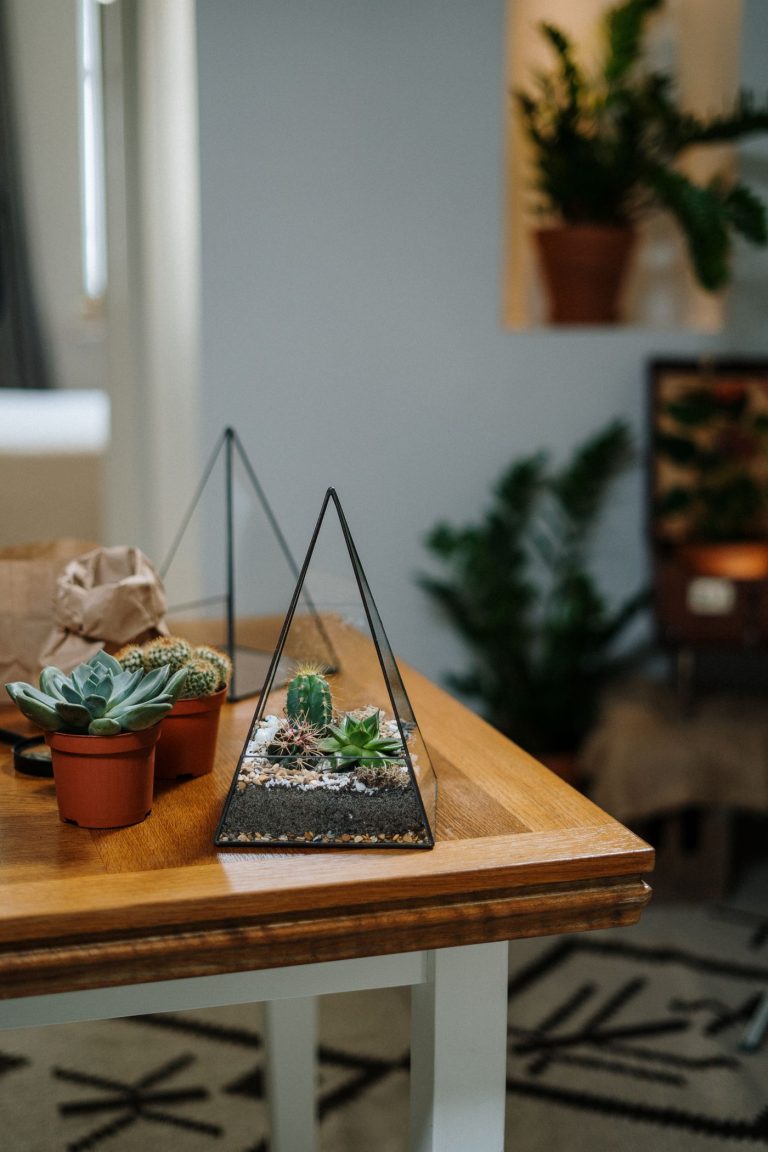
If you would rather not source each part separately, a purpose-built vessel like The Glasshouse Bioactive Terrarium Tank gives you the right proportions and airflow to build into. For a smaller footprint, The Glasshouse Mini suits a desk or shelf. When you are ready to plant, our step-by-step walkthrough on how to build your first terrarium covers the assembly in detail.
Caring for a bioactive terrarium
The whole point is low effort, but low effort is not no effort. A few light habits keep the balance healthy.
Water and humidity
Closed terrariums recycle most of their moisture, so they need topping up only occasionally. Aim for light condensation on the glass in the mornings that clears through the day. Heavy fog that never lifts means too much water, so leave the lid off for a few hours to let it settle.
Light
Bright, indirect light is ideal. Direct sun through glass can overheat a sealed container quickly, cooking both plants and cleanup crew, so keep it off a hot windowsill. A spot near a window, or under a gentle grow light, is plenty.
Patience
A new bioactive terrarium takes a few weeks to find its feet. You may see a flush of mould early on, which is normal, and it usually fades as the springtails multiply and get to work. Resist the urge to intervene too soon; the system is designed to correct itself.
Is a bioactive terrarium right for you?
If you like the idea of a living landscape that rewards observation more than fussing, a bioactive terrarium is a lovely place to start. It suits busy people, curious beginners, and anyone who enjoys watching a small world slowly come into balance.
When you feel ready to build one, take your time choosing plants and a vessel that fits your space, and let the cleanup crew do what it does best. Explore our bioactive terrarium tanks whenever you would like a considered starting point, and enjoy the quiet.