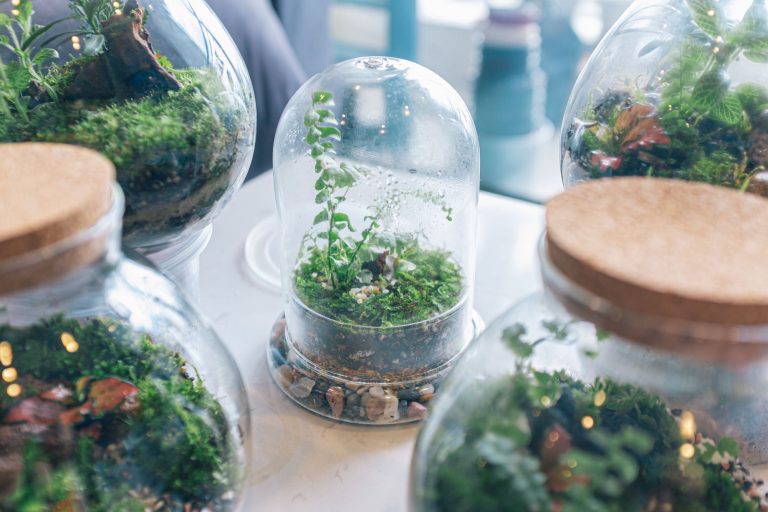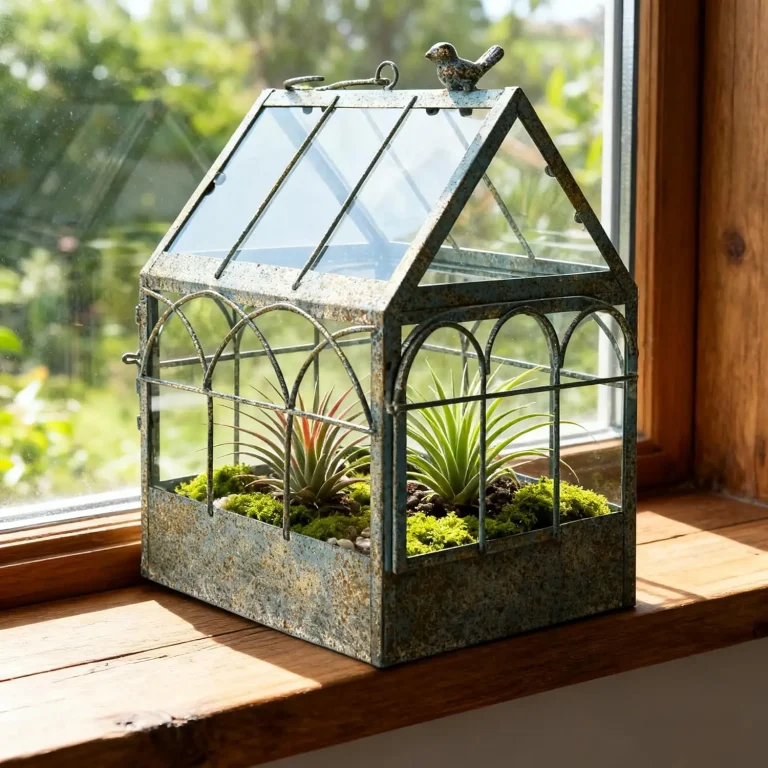
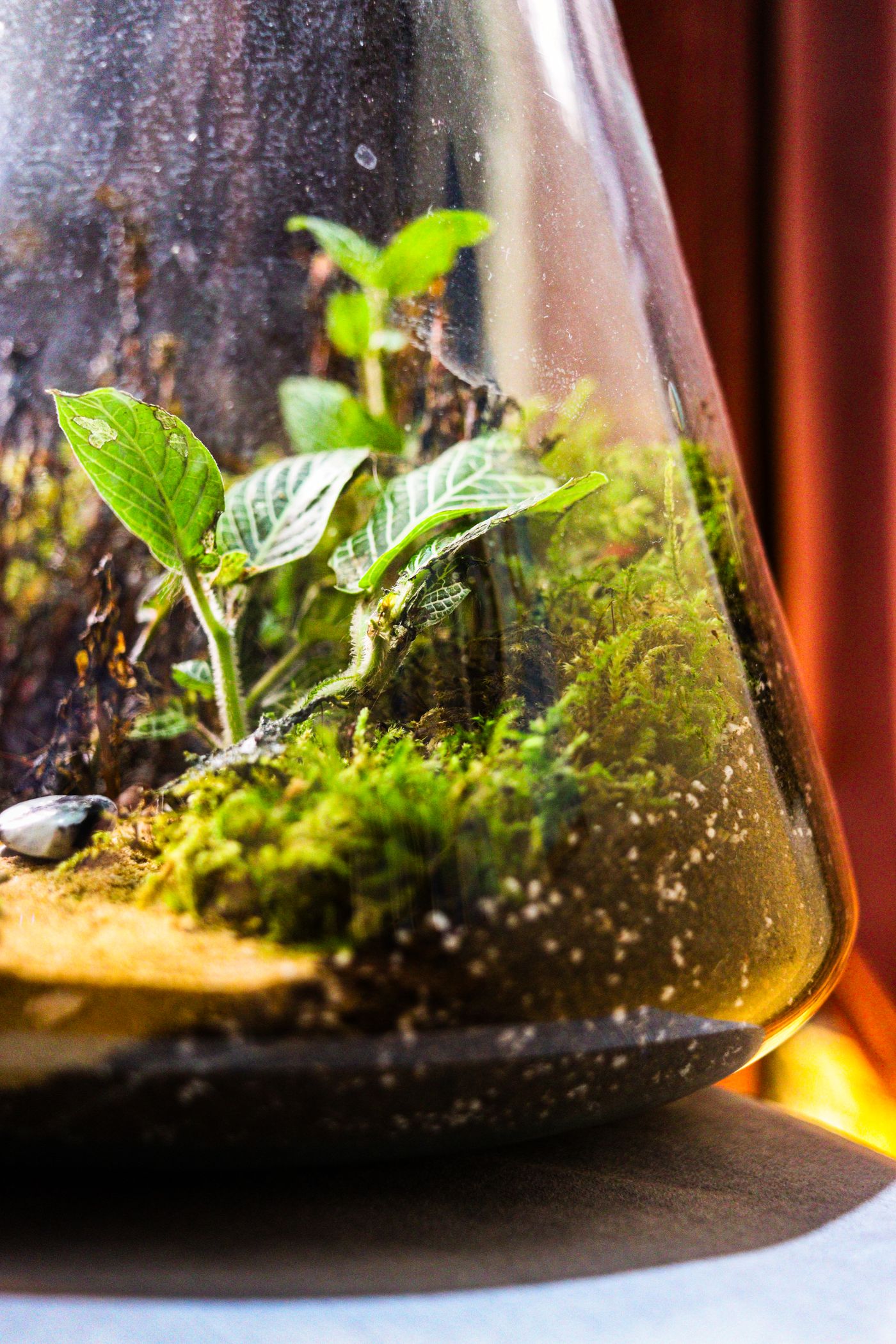
A bioactive terrarium is meant to look after itself, and the reason it can is mostly invisible. Down in the substrate, a small crew of springtails and isopods is quietly breaking down fallen leaves, mould, and waste, turning what would otherwise rot into clean soil. Once this crew is established, you mist, you watch, and the rest takes care of itself.
This guide explains what these creatures do, how to add them, and how to keep them thriving for the long life of your terrarium.
What a cleanup crew actually does
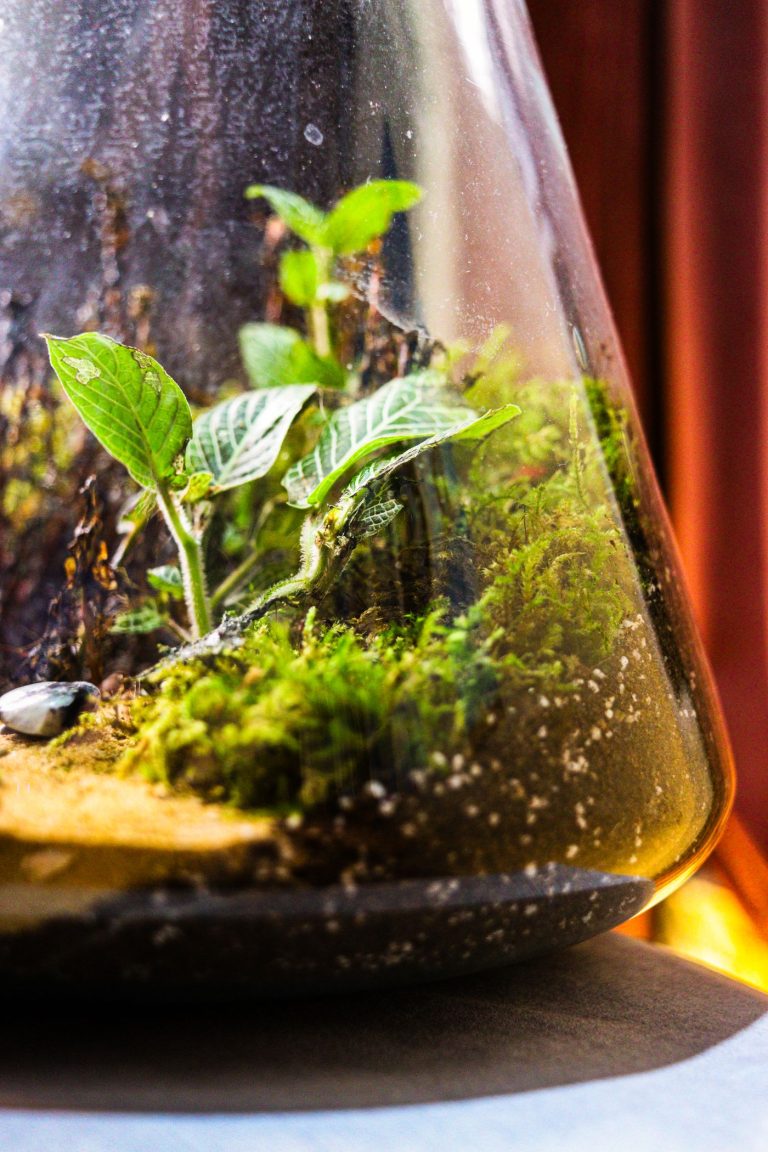
Any sealed or semi-sealed planted glass container will, over time, accumulate decaying matter. Leaves drop, roots die back, and humidity encourages fungal growth. Left alone, that decay can tip into a smelly, mould-covered mess. A cleanup crew, or CUC, is the team of small invertebrates that processes all of it before it becomes a problem.
The two workhorses are springtails and isopods. They occupy slightly different roles, and a healthy terrarium usually wants both.
Springtails
Springtails are tiny, often white, and rarely more than a millimetre or two long. They graze on mould, fungus, algae, and decaying plant matter. In a humid terrarium they multiply quickly, and a good population is your first line of defence against the white fuzzy mould that appears on fresh wood and substrate in the early weeks. They are harmless to plants and to you, and you will mostly see them as a faint shimmer of movement on the glass after misting.
Isopods
Isopods are small crustaceans, the same family as the woodlice you find in a garden. Common starter species such as Trichorhina tomentosa (dwarf white isopods) and Porcellionides pruinosa (powder species) are easy to keep and stay small. They handle the heavier work, breaking down leaf litter, wood, and larger pieces of waste that springtails cannot manage alone. Their droppings, known as frass, enrich the soil and feed your plants.
When to add your crew
It is usually best to plant your terrarium first, let it settle for a week or two, and then add the cleanup crew once there is some moisture and a little organic matter for them to feed on. Adding them to a brand new, sterile setup gives them nothing to eat. If you are building from scratch, our step-by-step build guide covers the substrate and drainage layers that give a crew somewhere to live.
Springtails can go in straight away to get ahead of early mould. Isopods are best added a few weeks later, once the environment is stable and there is leaf litter for them to work through.
How to introduce them
Most crews arrive in a small tub of charcoal or substrate. To add them, simply tip or tap the culture out across the surface of your terrarium, ideally near a piece of leaf litter or wood. They will find their own way down into the substrate within minutes. Mist lightly afterwards so the surface is damp but not flooded.
Keeping the crew healthy
A cleanup crew needs very little, but the few things it does need matter.
Moisture
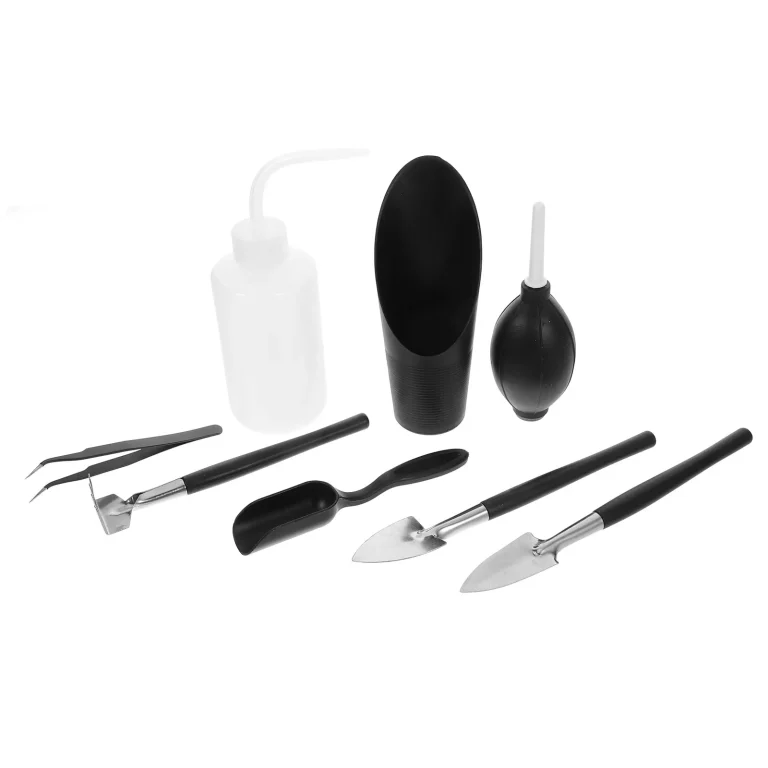
Both springtails and isopods breathe in a way that depends on humidity, so they need consistently damp conditions. The substrate should feel like a wrung-out sponge, never bone dry and never waterlogged. A drainage layer at the base prevents standing water while keeping the air humid. Regular light misting with clean water keeps everything in balance. A fine, even spray works far better than an occasional soaking, and a good misting bottle makes that easy to get right.
Food
In an established terrarium, decaying leaves and plant matter usually feed the crew without any help from you. If you want to support a larger isopod population, you can add small amounts of supplementary food: a pinch of fish flakes, a piece of cuttlebone for calcium, or a small slice of dried leaf litter such as oak or beech. Add only what gets eaten within a day or two, since uneaten food invites the very mould you are trying to control.
Leaf litter and hides
A layer of dried leaf litter on the substrate does two jobs at once. It feeds the isopods slowly over time, and it gives both species cover and breeding sites. Pieces of cork bark or wood serve the same purpose. A crew with places to hide and breed is a crew that lasts.
Troubleshooting
I never see them
This is normal and usually a good sign. Both species are shy and spend most of their time in the substrate. Look closely on the glass and leaf surfaces shortly after misting, or after dark, and you will often spot springtails moving. If your plants are healthy and mould is not building up, the crew is doing its job.
Persistent mould
A bloom of white mould in the first few weeks is normal as the wood and substrate settle, and a springtail population will usually clear it within days. If mould persists for weeks, the crew may be too small or too young. Give it time to multiply, hold back on extra food, and make sure there is enough airflow if your terrarium has a lid.
Crew seems to have died off
The two most common causes are the substrate drying out and a build-up of stagnant water at the base. Check that conditions are damp but draining, avoid tap water that has been heavily treated, and never use insecticides or treated plant products anywhere near a bioactive setup.
A balanced little world
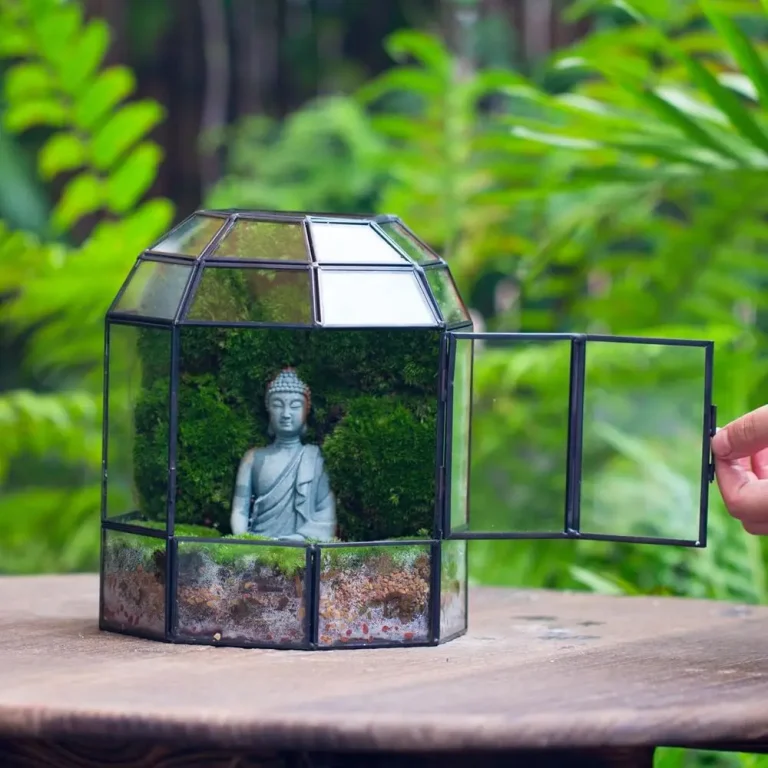
Once springtails and isopods are settled, a bioactive terrarium becomes genuinely low-maintenance. The crew recycles waste, the plants take up the nutrients, and you get to enjoy a small, self-sustaining ecosystem behind glass. It is one of the quiet pleasures of the hobby, watching a sealed world keep itself in balance.
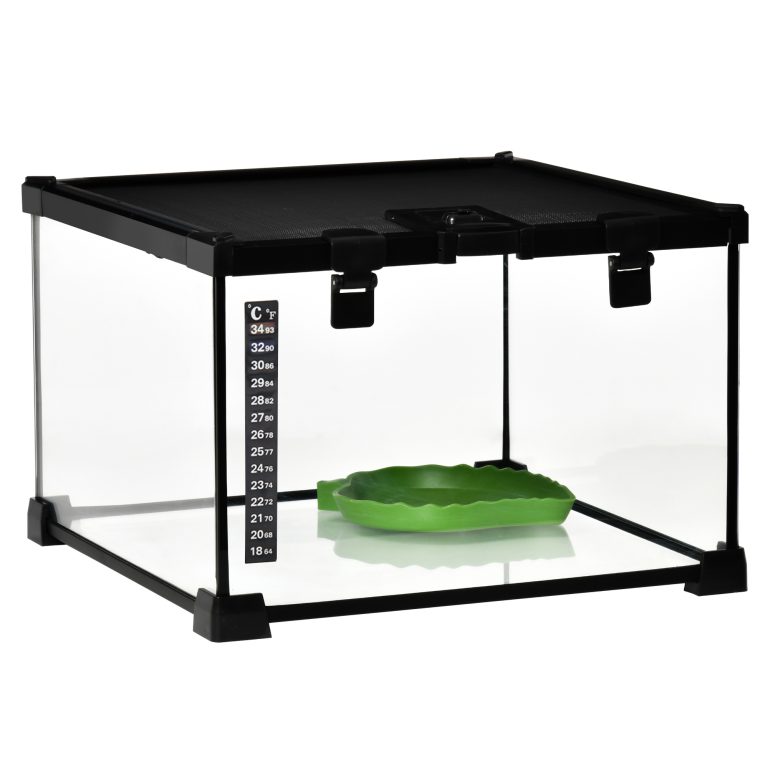
If you are setting up your first bioactive system, our Glasshouse bioactive terrarium tanks are built with the drainage and depth a healthy cleanup crew needs. And if you are growing live moss alongside your crew, our guide to keeping moss happy pairs naturally with everything here. Take your time, keep things damp, and let the small things do the work.